
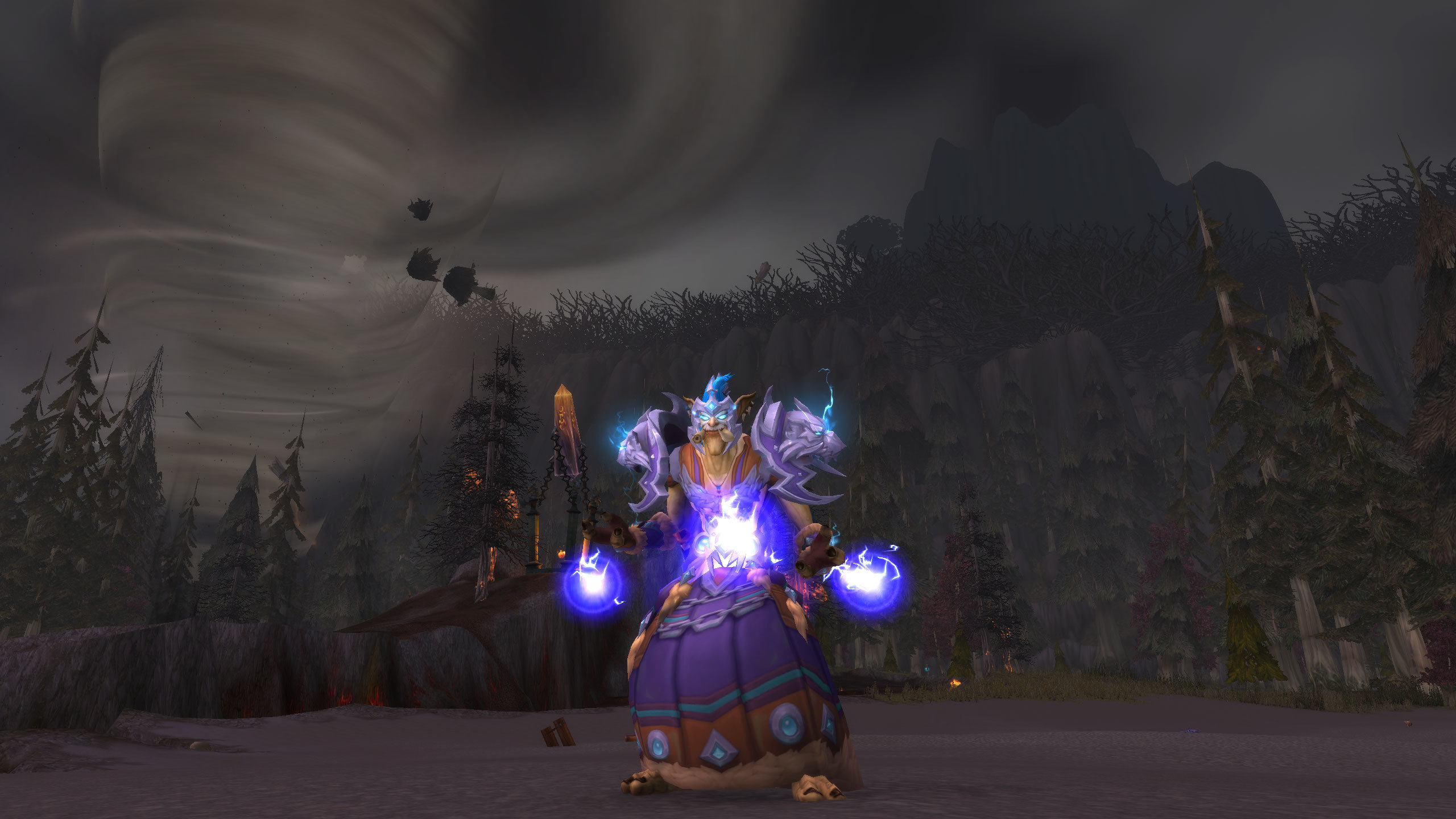
Few class mechanics in WoW are as iconic and lore-rich as the Shaman’s totems. These small wooden effigies carry centuries of cultural legacy, spiritual symbolism, and elemental reverence. While druids commune with nature and mages channel arcane theory, shamans draw power through ritual, ancestry, and a living bond with the elemental spirits. Totems are more than gameplay anchors—they are expressions of identity, culture, and spiritual duty.
This article dives into how totems evolved over two decades, how Blizzard wove shamanic traditions into their design, and why these simple objects remain central to one of the game’s most distinctive classes.
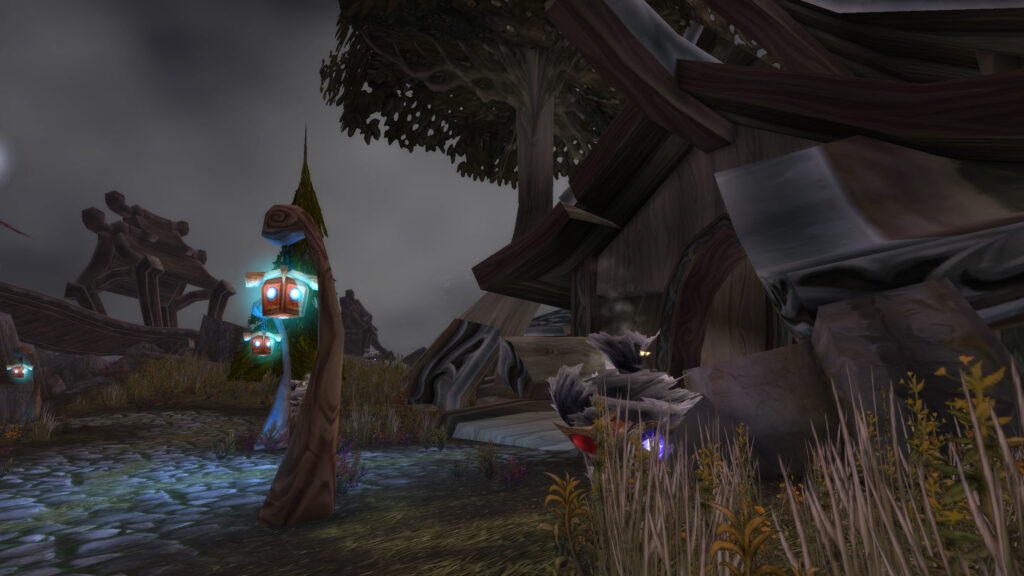
The Spiritual Origins of Totemic Power
Shamans view the world through the lens of elemental harmony. Each totem represents a living contract with the elemental forces—earth, fire, water, and air. These objects serve as physical manifestations of a shaman’s agreement with the spirits, anchoring their power in the mortal world. For the Tauren, totems symbolize ancestral memory and community unity. For the Orcs, they represent strength and survival through harsh landscapes. For the Draenei, totems integrate Naaru-inspired geometry with reverence for natural order.
Blizzard ensures that each race’s totems reflect their cultural identity, reinforcing the idea that spiritual practice varies across Azeroth’s civilizations.
Totems as Unique Gameplay Anchors
Unlike spells cast from the character’s body or weapons, totems serve as stationary sources of power. This creates a tactical anchor point around which shaman gameplay often revolves. Placement matters. Timing matters. Positioning relative to allies or enemies matters. Totems encourage spatial awareness and rhythm, shaping how shamans move and think during combat.
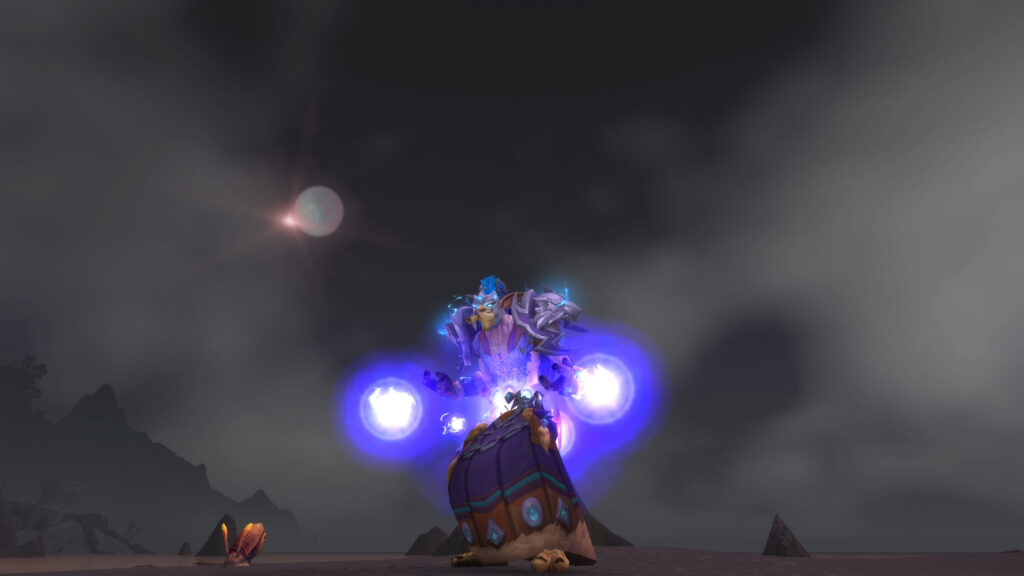
In the early days of WoW, managing totems was a core part of the skill ceiling. Even today, their presence creates a sense of ritual and purpose in every encounter.
Racial Totems and Cultural Identity
One of the most impressive elements of totem design is how they visually express culture. Blizzard crafted unique totem models for every playable shaman race, each reflecting traditions, beliefs, and aesthetics rooted in lore. These aren’t just cosmetic differences—they are visual reminders of the culture a shaman represents.
This diversity showcases Azeroth’s worldbuilding, proving that even small gameplay objects can reinforce narrative depth.
| Race | Cultural Influence | Totem Style |
|---|---|---|
| Tauren | Ancestral heritage & Earthmother reverence | Carved wood, feathers, sun motifs |
| Orc | Tribal survival & bond with elemental spirits | Rugged symbols, bone, rough carvings |
| Draenei | Naaru influence & crystal harmony | Geometric shapes, blue crystalline elements |
| Darkspear Troll | Island traditions & loa worship | Bright colors, masks, ceremonial patterns |
| Goblin | Engineering & elemental bargaining | Metal-plated, mechanical accents |
Totems as Expressions of Elemental Philosophy
Each elemental school embodies a different worldview. Earth encourages stability and endurance. Fire represents passion and destruction. Water symbolizes healing, flow, and adaptability. Air reflects swiftness, clarity, and insight. Totems channel these philosophies into gameplay, shaping the emotional tone of each spell.
This elemental philosophy is what makes the shaman feel like a mediator rather than a spellcaster—someone who negotiates with natural forces rather than commanding them.
Totemic Evolution Across Expansions
Totems have undergone major transformations throughout WoW’s history. Classic relied on long-duration totems that formed the foundation of group buffs. Burning Crusade introduced situational totems that modified encounters. Cataclysm streamlined totems into short-duration utility tools. Dragonflight revived more visually expressive totems, emphasizing their ritualistic importance.
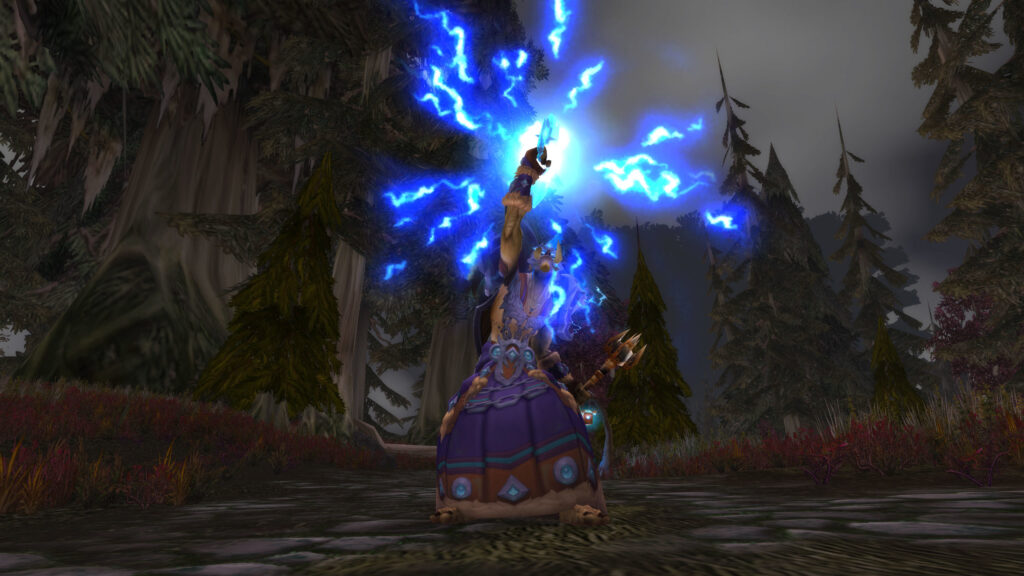
These changes reflect Blizzard’s ongoing challenge: preserving class fantasy while ensuring meaningful gameplay flow.
Enhancement Shaman: Totems as Rhythm
For Enhancement Shamans, totems support a melee-focused, storm-infused combat style. Their totems reinforce tempo—burst windows align with Fire totems, survivability with Earth, and mobility with Air. Even when not explicitly tied to rotational abilities, the presence of totems creates a battlefield anchor that feels deeply interwoven with the spec’s identity.
Enhancement feels tribal and primal because its support systems come from the ground, not the sky.
Elemental Shaman: Totems as Catalysts
Elemental Shamans use totems to amplify or alter their destructive capabilities. Liquid Magma, Stormkeeper effects, and Fire totems all enhance explosive bursts or provide mechanical advantages. Totems act like ritual catalysts, empowering spellcasting and representing the shaman drawing upon deeper, volatile elemental forces.
This interplay blends ritual with raw energy, giving Elemental a unique sense of spiritual ferocity.
Restoration Shaman: Totems as Protective Spirits
Resto Shamans embody the guardian role among the elements. Healing Tide Totem, Spirit Link, and Mana Tide Totem are some of the most iconic spells in the game, each providing powerful group utility while reinforcing the shaman’s identity as a spiritual anchor. These totems bring calm to chaos, echoing the soothing qualities of water and the grounding nature of earth.
No other healer in the game uses physical manifestations of their power in this ritualistic way.
Totemic Rituals and Player Expression
Totems give shamans a distinct flavor of ritual. Placing a totem feels intentional—like drawing a spiritual circle or marking sacred space. Even in fast-paced combat, these actions reinforce the idea that shamans channel ancient practices, making them feel deeply tied to the world’s cultures. Players who choose shaman often resonate with this ritualistic identity, finding satisfaction in the blend of utility, power, and spiritual symbolism.
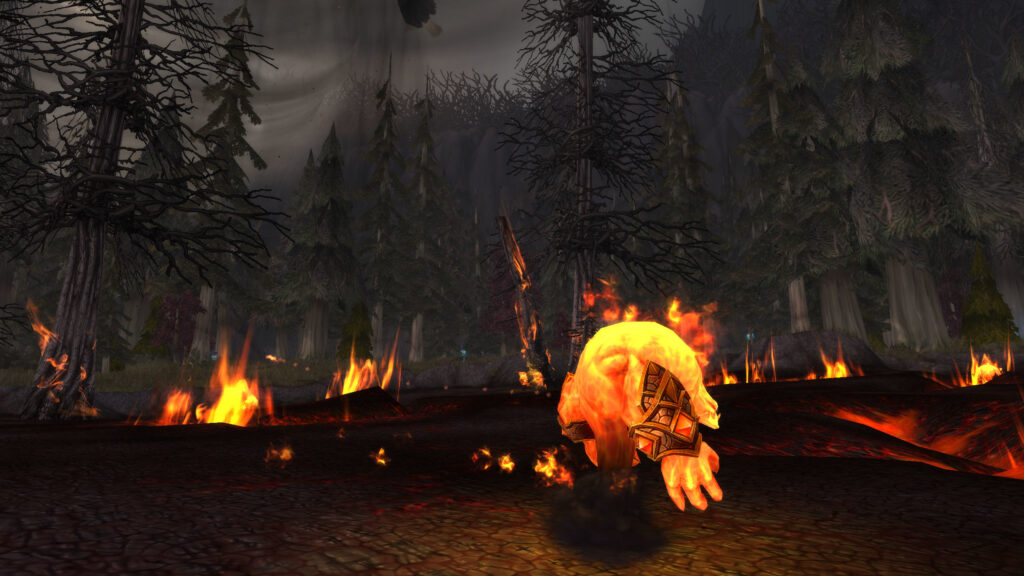
Totems are gameplay, but they are also identity.
The Future of Totems in Modern WoW
As the game evolves, Blizzard continues to modernize totems without losing their cultural significance. New models, animations, and elemental effects strengthen their visual impact. Talent trees reinforce the role of totems in shaping gameplay rhythm. The War Within’s Earthen zones even introduce deeper layers of elemental storytelling, making totems feel more thematically grounded than ever.
Totems are poised to remain a defining pillar of shaman identity for years to come.
Conclusion
Shaman totems are one of WoW’s greatest achievements in merging gameplay with lore. They reflect cultural diversity, elemental philosophy, and centuries of spiritual tradition. Through their evolution, Blizzard preserved a mechanic that feels both ancient and modern—rooted in story yet essential to combat. Totems are not just tools. They are heritage, ritual, and identity carved into wood, stone, and crystal.
Through these small but powerful symbols, shamans bring the spirit of Azeroth’s cultures—and its elements—into every battle.

Leave a Reply